Moving From Terraced Homes in Hook: Stair & Access Solutions
Posted on 18/06/2026
Moving From Terraced Homes in Hook: Stair & Access Solutions
Terraced houses can be brilliant to live in, but moving out of one is another story altogether. Narrow hallways, steep stairs, awkward turns, shared front access, parked cars in the road, and that one bulky wardrobe that suddenly seems to have doubled in size - it all adds up. If you are planning Moving From Terraced Homes in Hook: Stair & Access Solutions, the difference between a smooth move and a stressful one usually comes down to preparation, safe lifting, and a realistic plan for access.
This guide breaks down the practical side of terrace moves in Hook: how stair and access challenges affect the day, what solutions actually work, and how to avoid the most common mistakes. You will also find a step-by-step plan, a comparison table, a real-world example, and a checklist you can use straight away.
- Why stair and access planning matters
- How terrace move access solutions work
- Key benefits and practical advantages
- Who this is for and when it makes sense
- Step-by-step guidance
- Expert tips for better results
- Common mistakes to avoid
- Tools, resources and recommendations
- Law, compliance, standards and best practice
- Options and comparison table
- Case study example
- Practical checklist
- Conclusion
- Frequently asked questions
Why Moving From Terraced Homes in Hook: Stair & Access Solutions Matters
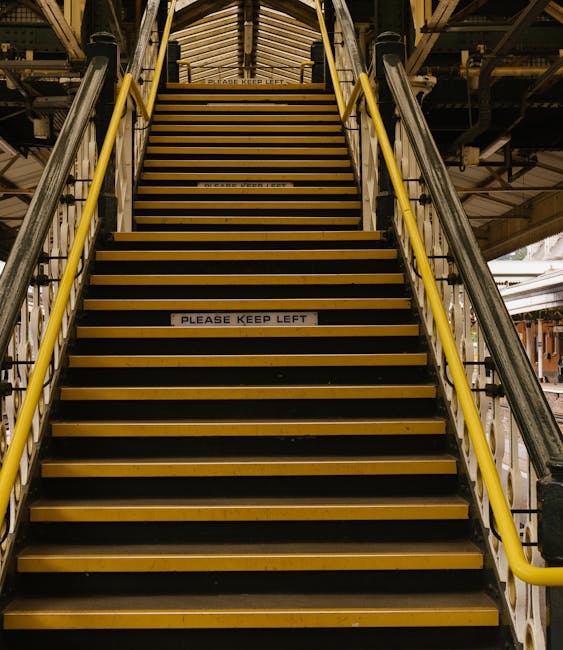
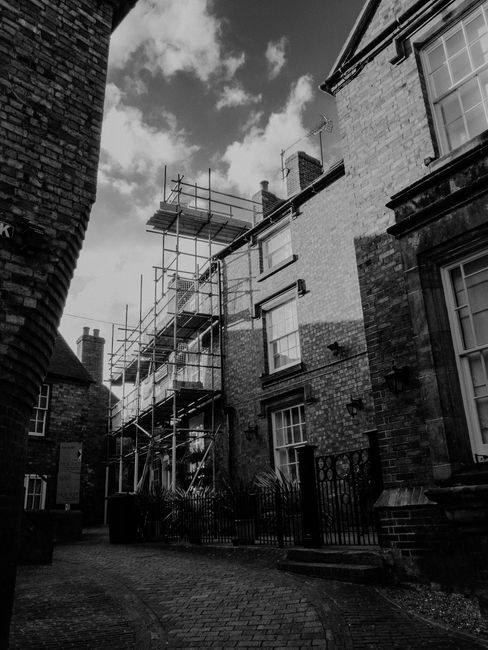
Terraced homes often look straightforward from the outside. Inside, though, they can be a different animal. Many have tight stairwells, low ceilings on landings, sharp corners, and limited room for carrying furniture. Add the realities of a local move in Hook - road parking, neighbour access, and sometimes a bit of a squeeze at the front door - and the risks increase quickly.
The biggest issue is not just inconvenience. It is safety. Heavy items carried on stairs can shift unexpectedly, catch on banisters, scuff walls, or strain backs and shoulders. A sofa that seems manageable at ground level can become awkward the moment it hits the first bend. To be fair, that is where many DIY moves start to wobble.
Access planning matters because it affects everything downstream: loading time, crew size, how furniture is protected, whether you need temporary parking arrangements, and whether items need dismantling before they can leave the house. That is why local moves from terraced properties are usually planned differently from moves out of detached homes or newer flats.
If your move includes oversized items, it can also make sense to think beyond the staircase. For delicate or high-value furniture, reading about protecting a sofa from wear during storage or transit can help you avoid the classic scuffed-corner problem. And if you are moving specialist items such as a piano, extra care is non-negotiable; that is where professional piano moving guidance becomes relevant.
How Moving From Terraced Homes in Hook: Stair & Access Solutions Works
Good stair and access support is really a combination of planning, equipment, and timing. The idea is simple: reduce the number of risky manoeuvres, keep the walking route clear, and make sure each item can pass through the property with the least possible strain.
In practice, this usually starts with a pre-move assessment. Someone looks at the staircase width, the size of the landing, the height of railings, doorway clearances, and the route from the front door to the vehicle. If the removal team knows the property is a terraced home, they may also consider whether the van can park close enough for an efficient carry, or whether additional help is needed for longer walking distances.
From there, the move is broken into manageable parts:
- Measure the awkward items - beds, wardrobes, sofas, fridge-freezers, desks, and anything with an unusual shape.
- Check access points - front door width, hallway corners, stairs, landings, and any shared outside space.
- Prepare the property - protect floors, remove loose rugs, clear ornaments, and open doorways fully.
- Decide what comes apart - some furniture is much safer when dismantled first.
- Use the right lifting technique - controlled, steady movement matters more than rushing. If you want the technical side explained simply, kinetic lifting techniques is a useful companion read.
- Load in the correct order - heavy, stable items first; fragile items protected and positioned carefully later.
For some jobs, the answer is not brute strength, but a smarter route. A wardrobe may move easier if the doors are removed. A bed base may need stripping down before it can pivot on the stair corner. Sometimes the best access solution is simply not to force the issue.
And yes, occasionally a little creative problem-solving is involved. You have probably seen that moment when two people are standing on a landing, both thinking the same thing: "This looked smaller downstairs." Happens all the time.
Key Benefits and Practical Advantages
When stair and access issues are handled properly, the whole move feels calmer. Not glamorous, just calmer. That alone is worth a lot on moving day.
The main benefits are practical:
- Reduced risk of damage to walls, bannisters, floors, and furniture.
- Less physical strain on you and anyone helping.
- Faster loading and unloading because the route is already thought through.
- Better protection for awkward items such as mattresses, wardrobes, mirrors, and appliances.
- More predictable timing, which matters if you have a handover deadline.
- Less stress with neighbours and parking because the vehicle plan is clearer.
There is also a financial advantage, even if it is not always obvious at first. Preventing one broken side panel, one cracked frame, or one wall repair can save far more than the time spent planning access in the first place. For furniture-specific planning, furniture removals in Hook are often a better fit than trying to improvise with a general van hire and a few willing friends.
For people with tighter move dates, access planning can also prevent a small problem from becoming an urgent one. If timing is tight, you may also find what to expect in same-day removals in Hook useful, because a rushed move and a difficult staircase are not a fun combination.
Who This Is For and When It Makes Sense
This kind of planning is useful for almost anyone leaving a terraced home, but it is especially valuable in a few situations.
You will want proper stair and access support if:
- your home has a narrow or steep staircase
- you are moving bulky furniture
- you live on a busy road where parking is tight
- the route from the house to the van involves a long carry
- you have items that need dismantling or special handling
- you are moving without much time to spare
- you want to reduce the chance of injury or damage
Students moving from compact terraces often underestimate access challenges because the volume looks small. That is fair enough, but small properties can still have awkward staircases and lots of stair-based carrying. If that sounds familiar, student removals in Hook can be a smarter fit than trying to manage every box yourself.
Households with larger, heavier furniture should also be realistic. If the move involves beds, wardrobes, bookcases, or appliances, the staircase becomes a planning issue rather than a background detail. Even one awkward item can slow everything down.
And if you are leaving one terraced property for another, the same logic applies twice. A move can be perfectly fine at one end and awkward at the other. That happens more often than people expect.
Step-by-Step Guidance
If you want the move to feel controlled, work through it in order. Do not leave the access planning until the night before. That is where the wobble starts.
- Measure the staircase and main furniture pieces. Width, height, landing space, and the longest item's dimensions all matter.
- Identify the route. Look at every turn from bedroom to front door, not just the staircase itself.
- Clear the path completely. Shoes, baskets, lamps, rugs, coat stands, and anything else that could snag should go now.
- Protect surfaces. Use floor coverings, door guards, and padding on touchpoints where furniture may brush.
- Dismantle what can safely come apart. Flat-pack wardrobes, bed frames, and shelving often move better in sections. For mattresses and bed bases, this bed and mattress moving guide is a handy reference.
- Pack smartly. Label boxes clearly and keep the heaviest boxes smaller so they are easier to lift on stairs. If you need a refresher, professional packing tips can help.
- Stage items near the exit. Place the items most likely to go first in a clear, accessible spot.
- Plan parking and timing. If the van can sit close to the door, life gets easier. If not, you need to allow for the extra carry.
- Use trained lifting technique. Keep the load close, move in sync, and do not twist under weight. If you are moving heavy pieces alone, solo lifting advice for heavy objects is worth reading before you make an optimistic decision.
- Check the property before leaving. One final sweep for damage, forgotten items, and loose fittings.
A small but useful detail: keep a bag of essentials separate from the main load. Kettle, chargers, medication, important documents - the stuff you need before the first box is even opened. It saves a lot of rummaging later, and honestly, the kettle is usually the first emotional support item in a British move.
Expert Tips for Better Results
Most successful terrace moves share the same underlying idea: reduce friction wherever you can. That sounds obvious, but in practice it means being a bit ruthless about what you move, when you move it, and how much effort each item is worth.
First tip: treat the staircase as a route, not a hurdle. Walk it before moving day and look at where your shoulder might catch, where a hand might lose grip, and where the item needs to pivot. You will notice those little bottlenecks very quickly.
Second tip: stop trying to save everything. If an old item is too awkward, too heavy, or too fragile to justify the effort, consider whether it should move at all. For some households, decluttering before the move makes the access problem smaller from the start. If that is a live issue, innovative decluttering ideas for an easy move can make the process less overwhelming.
Third tip: protect the stuff that matters most. Sofas, mattresses, polished tables, and painted furniture pick up damage when they brush against narrow walls or stair rails. It is better to over-protect them than to regret it later.
Fourth tip: keep communication simple. If more than one person is lifting, agree the words for "stop", "slow", and "turn" before the item leaves the room. A surprising amount of moving-day stress comes from people talking over each other.
Fifth tip: if the item feels wrong, it probably is. That instinct tends to be right. Let's face it, if everyone is holding their breath halfway down the stairs, the plan needs adjusting.
For larger house contents, a specialist team can also help with vehicle choice, loading order, and protection materials. If you want to understand the broader picture, the services overview gives a useful sense of the moving options available.
Common Mistakes to Avoid
Terraced-home moves tend to go wrong in predictable ways. Once you know them, you can avoid most of the drama.
- Measuring too late. A quick guess is not enough for stair corners or landing turns.
- Overpacking boxes. Heavy boxes are a nightmare on stairs, especially when the grip is poor.
- Leaving furniture assembled unnecessarily. Sometimes one screwdriver saves thirty minutes and a sore back.
- Ignoring parking access. If the van cannot get close enough, the carry becomes longer, slower, and more tiring.
- Forgetting to protect walls and floors. Scratches and scuffs happen in seconds.
- Using the wrong people for the job. Friends can help, but they are not a substitute for experience when the item is awkward or valuable.
- Rushing the stair manoeuvre. That is where most slips, bumps, and bad decisions happen.
One of the most common blind spots is appliance handling. A freezer or fridge is not just heavy - it is awkward, wide, and easy to damage if it is tilted badly. For anyone storing or moving one, guidance on storing unused freezers offers useful background on keeping appliances safe and stable.
Another mistake is assuming that a "man and van" arrangement automatically includes the right access support. Sometimes it does, sometimes it does not. If you are comparing options, the details matter more than the label on the van. That's a bit boring, maybe, but it saves trouble.
Tools, Resources and Recommendations
You do not need a warehouse full of equipment to manage a terraced move, but the right basics make a real difference.
| Tool or resource | What it helps with | Best use case |
|---|---|---|
| Furniture blankets | Protecting corners, finishes, and edges | Sofas, tables, wardrobes, appliances |
| Ratchet straps | Keeping loads secure during carrying and transport | Bulky items and loaded vehicle runs |
| Gloves with grip | Reducing slips and improving control | Boxes, frames, and awkward furniture |
| Floor protection | Reducing scratches and dirt transfer | Hallways, stairs, and thresholds |
| Measuring tape | Checking widths, heights, and clearances | Before dismantling or carrying large items |
On the planning side, a move-specific checklist is often more useful than a generic one. If you want a stronger packing process, packing and boxes in Hook can support the box-sorting side of things, while a suitable removal van in Hook is important for vehicle planning.
If storage becomes part of the equation - say the new place is not ready yet, or you need to stage the move - storage in Hook may be worth considering. Sometimes a temporary storage stop is the neatest way to avoid forcing oversized pieces through a difficult terrace layout.
For broader moving support, removals in Hook and man and van services can be useful starting points when you are trying to match the job to the right level of help.
Law, Compliance, Standards, or Best Practice
Not every move needs a legal deep-dive, but stair and access work does touch on safety, duty of care, and responsible handling. In the UK, the practical expectation is that anyone involved in moving furniture should take reasonable steps to avoid injury and prevent damage. In plain English: do not make unsafe lifts, do not block access routes, and do not improvise around hazards.
Best practice usually includes:
- keeping walkways clear
- lifting within sensible limits
- using two or more people for large or unstable items
- protecting floors, walls, and door frames
- checking the load before moving it
- pausing if the route no longer feels safe
Insurance matters too. If a move is professionally handled, it is worth understanding how cover works, what it may or may not include, and what your responsibilities are as the customer. For a straightforward overview, see insurance and safety information. The same goes for payment confidence and practical booking clarity, which is why payment and security details and the terms and conditions deserve a proper read before you commit.
Accessibility is another important part of access planning. If a staircase, narrow corridor, or shared entryway makes a move harder for someone with mobility needs, the plan should adapt around that, not the other way round. A sensible removal team will think in those terms already, but it is still worth raising early.
And if you are getting rid of items rather than moving them, remember that disposal should be handled responsibly. For example, larger pieces that are no longer needed may need sorting before removal; bulky waste charge tips for Hook RG27 can help you think through that side of the job.
Options, Methods, or Comparison Table
There is no single best approach for every terraced move. What works for a student with a few boxes will not suit a family moving a three-piece suite and a bed frame.
| Option | Best for | Pros | Limitations |
|---|---|---|---|
| DIY move with friends | Small loads, simple furniture, flexible timing | Low upfront cost, familiar faces, flexible pace | Higher risk of injury or damage; limited experience with stairs |
| Man and van support | Moderate loads and local moves | More practical than DIY; often quicker and more organised | Quality varies depending on access planning and equipment |
| Full removals service | Bulky furniture, awkward staircases, family homes | Better handling, planning, and protection; less stress | Usually costs more than a basic van-only option |
| Partial dismantle and pack strategy | Properties with tight corners or narrow landings | Makes awkward items manageable; reduces snagging | Takes extra preparation time |
For many Hook residents, the best outcome is a blend of approaches: some dismantling, some professional support, and a carefully managed parking and access plan. If you want to compare local moving routes, house removals and flat removals in Hook can be helpful references where the property type affects the approach.
A small note here: if you are moving one particularly awkward item, a targeted service can sometimes be smarter than booking far more help than you need. For example, a single heavy instrument or a specialist item may benefit from piano removals rather than general-purpose handling.
Case Study or Real-World Example
Picture a typical Hook terrace: two bedrooms upstairs, a narrow staircase with a tight turn, and a front room packed with the usual mix of furniture, boxes, and "we should have thrown that out years ago" items. Nothing unusual. Nothing dramatic. Just a standard moving day waiting to become awkward.
In one realistic scenario, the largest challenge is a double mattress, a wardrobe, and a bulky sofa. The team starts by measuring the staircase and checking the landing. The wardrobe is dismantled first, which immediately reduces the risk of catching on the turn. The sofa is wrapped, and the route is protected with floor coverings. A parking spot closer to the house is used so the carry distance stays short. The mattress goes out last, after the more rigid items have been removed.
What changed the experience was not strength. It was sequencing. The move became less about forcing each item through the house and more about asking: what is the safest way to get this out without damage? That small shift in thinking is usually the difference between a long afternoon and a manageable one.
There is also a local angle here. If the move is taking place around busier parts of Hook, parking and route timing can matter just as much as the stairs. Reading Hook RG27 parking and access tips before moving day can save a surprising amount of faffing about.
Truth be told, most terrace moves are not difficult because the house is impossible. They are difficult because several small inconveniences stack up at once. Once those are handled in advance, the day feels a lot lighter.
Practical Checklist
Use this checklist a few days before the move, then again on the morning itself.
- Measure all large furniture and compare it to stair and doorway clearances
- Identify any items that need dismantling
- Protect floors, walls, banisters, and thresholds
- Clear the hallway, landing, and stair route completely
- Label boxes and keep heavy items in smaller boxes
- Set aside essential items you will need first
- Confirm parking arrangements near the property
- Check whether any item needs specialist handling
- Make sure the team knows which items go first
- Do a final walkthrough before handing back keys
If you are trying to reduce waste while you move, think about what can be reused, passed on, or recycled rather than simply carried from one home to another. A thoughtful move is a cleaner move, and usually an easier one too. For a broader eco-minded approach, recycling and sustainability guidance is a sensible reference point.
Expert summary: for terraced homes in Hook, the safest move is rarely the fastest one in the moment. It is the one that combines measured access planning, lightened loads, good protection, and calm coordination. That sounds simple, and really it is - but only if you do the preparation first.
Conclusion
Moving from a terraced home is all about working with the property rather than fighting it. Stairs, narrow landings, and short access routes do not have to derail your move, but they do need proper attention. Once you plan the route, size up the awkward items, protect the surfaces, and decide where professional help is worthwhile, the whole day becomes much more manageable.
That is the real value of good stair and access solutions: fewer surprises, less strain, and a move that feels controlled from the first box to the last. Not perfect. Just properly handled. And that counts for a lot.
Get a free quote today and see how much you can save.