Parking Suspensions and Fines in Hook: What Movers Must Know
Posted on 06/07/2026
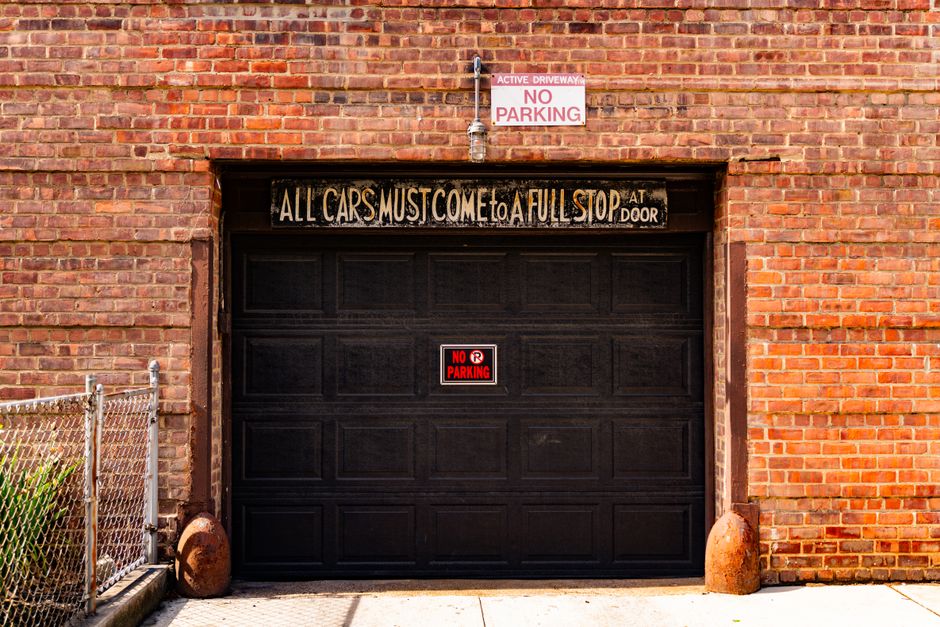
If you are moving in Hook, parking can make or break the day. A van blocking the wrong bay, a suspension notice you missed, or a tight street that leaves no room to unload can quickly turn a smooth move into a costly headache. Parking suspensions and fines in Hook: what movers must know is not just a paperwork issue; it is part of getting the move done safely, on time, and without avoidable stress.
In practice, this means planning where the removal van will stop, checking for temporary restrictions, understanding what signage is telling you, and building a bit of margin into the schedule. Sounds basic, I know. But the number of moves delayed by a simple missed sign is surprisingly high. This guide breaks it all down in plain English, with local-minded advice you can actually use.
Why Parking Suspensions and Fines in Hook Matter
For movers, parking is not a side issue. It affects access, loading time, safety, and the final cost of the job. In Hook, as in many busy UK towns, temporary suspensions can appear around roadworks, utility works, events, or local access changes. If a van is left in a suspended bay, or in a restricted place at the wrong time, the result may be a penalty charge notice, a frustrating delay, or both.
This matters even more on moving day because removals are time-sensitive. You are juggling fragile items, neighbours, building access, stairs, and weather. The last thing you need is a ticket tucked under the wiper while the crew is carrying a sofa through the hallway. To be fair, it is one of those problems people only think about after they have already got the keys in hand.
There is also the knock-on effect. If parking is poor, the team may need to carry items further, park legally but inconveniently, or split the move into more trips. That can stretch a short morning job into an all-day operation. If you are moving a flat, a terraced home, or a place with narrow access, even a small parking mistake can be annoying. If you are moving a piano or heavier furniture, it becomes much more serious.
For broader move planning, it helps to read around the practical side of packing and access too. For example, our guides on professional packing tips every home mover should know and kinetic lifting techniques sit nicely alongside parking planning because the same move-day rhythm applies: reduce friction before it starts.
How Parking Suspensions and Fines in Hook Work
At a practical level, a parking suspension is a temporary restriction placed on one or more parking bays or sections of road. It tells drivers not to park there for a specific reason and period. These are usually marked with temporary signs attached to posts, cones, or barriers. The exact wording varies, but the point is simple: if the suspension applies to your chosen space, do not use it.
Fines, or more accurately penalty notices in many civil parking enforcement situations, can follow if a vehicle is parked in breach of the restriction. For movers, the risk is often not the main road outside. It is the tempting bay right by the front door, the road edge that looked fine at 7 a.m., or the space that seemed empty because the notice was obscured.
That is why a moving-day check should include more than just "Is there room?" It should include:
- Is the area signed as suspended for the time of your move?
- Is the restriction active now, or later in the day?
- Does the van fit without blocking driveways, crossings, or junctions?
- Will loading there create a safety problem for pedestrians or traffic?
- Do you need a backup stop point if the first option is unavailable?
In Hook, this matters for both residential and commercial moves. A house removal on a quieter street may still be affected by temporary parking controls. An office move or a unit near busier roads can be even trickier. If you are planning a larger relocation, our moving into Hook Industrial Estate logistics checklist and Station Road moving guide are useful companions because they focus on access, timing, and local flow rather than just boxes and tape.
Key Benefits and Practical Advantages
Managing parking properly does more than avoid a fine. It improves the whole move. That may sound obvious, but it is worth spelling out because people often focus only on the cost of a ticket and miss the bigger picture.
Fewer delays
If the van can stop legally and close to the entrance, loading is faster. That means less time with doors open, less back-and-forth, and fewer interruptions when weather turns awkward. A damp stairwell in November is nobody's idea of fun, yet here we are.
Lower risk of damage
Longer carry distances increase the chances of scuffed walls, strained backs, and items being put down in the wrong place. Good parking shortens the route between van and door. That can protect furniture, flooring, and people at the same time.
Better cost control
Avoiding fines is the obvious saving. But there are quieter savings too: less labour time, fewer extra journeys, and a lower chance of needing emergency parking changes mid-move. This is where planning can quietly save more than expected. Not glamorous, but very real.
Less stress for everyone
Clients feel calmer when the van is where it should be. Movers work better when they are not watching the clock and worrying about enforcement. Neighbours are happier too when the crew is not double-parking or leaving access blocked.
If your move involves bulky items, it is worth pairing parking planning with item-specific prep. Our articles on moving your bed and mattress and solo lifting heavy objects with confidence are useful because they remind you that the safest move is usually the one with the least improvisation.
Who This Is For and When It Makes Sense
This topic is relevant to almost anyone moving in Hook, but a few groups need to pay special attention.
- Home movers in terraces, flats, or small streets with limited kerb space.
- Landlords and tenants doing end-of-tenancy or same-day handovers.
- Students moving smaller loads but often under time pressure.
- Office managers coordinating equipment and staff around trading hours.
- Families moving larger furniture with several people on site.
- Anyone using a removal van for urgent, out-of-hours, or multi-stop work.
It makes sense whenever parking is likely to be tight, time-limited, or shared. If the front of the property is on a narrow road, opposite a junction, or close to shops or commuter traffic, assume parking will be a factor. That is the safe assumption. The optimistic one usually backfires.
It also makes sense when you are using a service such as removals in Hook, man and van moves, or flat removals in Hook, because the vehicle choice and timing directly affect where the van can stop and for how long.
Step-by-Step Guidance
Here is the simple version. Do these steps before moving day, and you will avoid most parking problems.
- Check the street the day before. Look for signs, cones, bay markings, loading restrictions, and anything temporary that could be missed from a distance.
- Read temporary notices carefully. Note the exact times, dates, and affected spaces. Small print matters here more than people like to admit.
- Plan a primary and backup stopping point. If the best space is unavailable, decide in advance where the van can legally wait while keeping loading distance manageable.
- Think about the size of the vehicle. A removal van needs more room than a car, especially if doors need to open fully or ramps are used.
- Protect access routes. Avoid blocking driveways, bin access, dropped kerbs, or emergency routes. It is not just a legal issue; it keeps relations with neighbours from turning sour.
- Build in a timing buffer. Parking checks take minutes, but a ticket or a last-minute relocation can eat half an hour or more.
- Keep someone available to help. A person on the ground can watch for restrictions, direct the van, and speak up before a mistake happens.
- Document the situation if needed. If there is confusion over signage, take a quick photo for the job file. It can help later if there is a dispute.
A quick real-world note: on a busy move, people tend to assume the nearest open bay is fine because they are carrying a hundred other things in their head. Fair enough. But that is exactly when mistakes happen. Slow down for the parking bit. It pays off.
Expert Tips for Better Results
In our experience, the best parking outcomes come from treating access as part of the move plan, not a side task.
Tip 1: Check the route as well as the bay. A legal parking space is no good if the van cannot turn in or reverse safely. Low branches, narrow bends, and parked cars can all affect access.
Tip 2: Watch the clock. Parking restrictions often change during the day. A space that is legal at 9:00 may not be legal by lunchtime, especially near busier parts of Hook or around commercial areas.
Tip 3: Use the smallest practical vehicle. Sometimes a man and van setup or a smaller removal van is the smarter choice if access is tight. Bigger is not always better. Not on these streets.
Tip 4: Match the packing plan to the parking plan. If the van has to park farther away, pack heavier and less breakable items first so the carry is efficient. Our decluttering ideas for an easy move and move-out cleaning tips can help reduce clutter and last-minute chaos too.
Tip 5: Keep communication simple. One person should coordinate parking decisions. Too many voices telling the driver where to stop gets messy quickly.
Tip 6: Assume temporary works may be nearby. In any town, roadworks and utility works can appear with little warning. If you are moving during a weekday, especially in a busier part of the month, double-check that no suspension has been added overnight.
Tip 7: Keep safety first. A fine is bad. A trip, collision, or blocked entrance is worse. If the legal space is awkward but safe, choose the awkward one. If it is unsafe, rethink the loading plan.
And one more thing: if your move includes specialist items, the parking issue gets even more important. A piano, for instance, is not something you want carried an extra fifty metres if you can avoid it. The article on piano moving and professional assistance is a good reminder that heavy, awkward loads are best handled with the cleanest possible access.
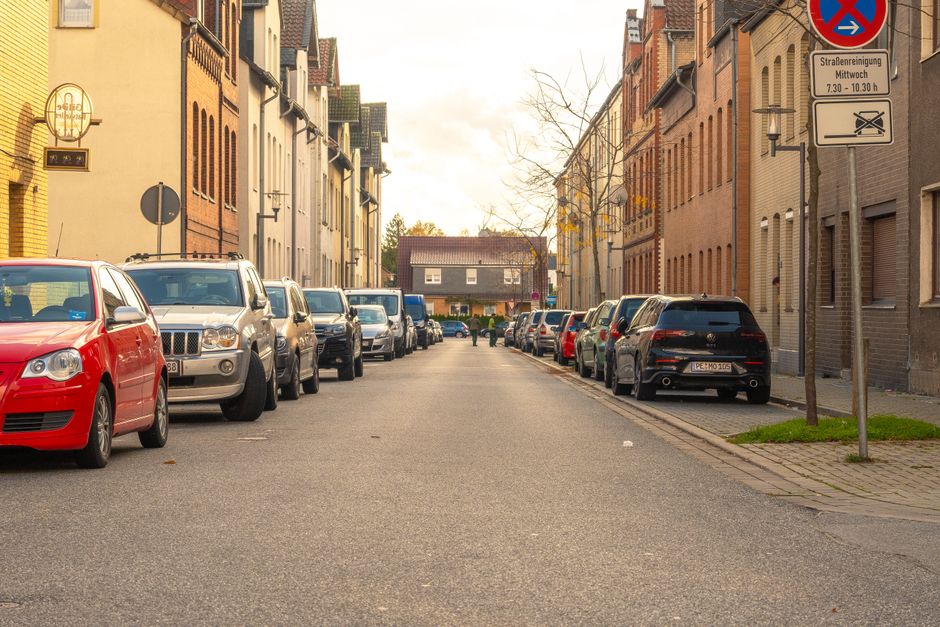
Common Mistakes to Avoid
Most parking fines on moving day come from the same handful of mistakes. Once you know them, they are easier to avoid.
- Assuming the bay is safe because it looks empty. Empty does not mean unrestricted.
- Ignoring temporary signs. A small suspension notice can override normal parking habits.
- Leaving parking until the van arrives. By then, you are already reacting under pressure.
- Blocking access while "just unloading for a minute." That minute has a habit of becoming ten.
- Forgetting about height, turning, and door swing. A tight spot can be legal yet still impractical.
- Not assigning one parking decision-maker. Mixed instructions lead to avoidable confusion.
- Underestimating flats and terraces. These buildings often need more thought than houses with front drives.
Another common one is not checking the paperwork side of a move. If you are sorting utility access, tenancy handover, or a same-day schedule, parking is just one piece of the puzzle. Our guide to same-day removals in Hook helps show how timing and access interact when everything is happening quickly.
Tools, Resources and Recommendations
You do not need fancy kit to handle parking well, but a few simple tools make a big difference.
- A printed move plan with arrival time, access notes, and backup parking options.
- Phone photos of signs or curb conditions, taken before loading starts.
- A floor plan or room list so the team can keep the loading order efficient if the van is parked farther away.
- Basic moving equipment such as trolleys, blankets, and straps to reduce trips and protect items.
- Clear packing materials so items are ready to go, not scattered around the hallway while someone hunts for tape.
For broader move prep, the site's practical guides on packing and boxes in Hook and hidden fees in removal quotes are worth reading because parking issues often show up as hidden time costs, not just visible penalties.
If you are using storage between moves, access planning matters there too. It is easy to focus on the first address and forget the second. Our guide to storage in Hook is useful when you need to stage belongings because one property is not ready yet.
Law, Compliance, Standards, or Best Practice
This is one area where caution matters. Parking enforcement rules, permit requirements, and suspension processes can vary by location and situation. Rather than guessing, movers should work on the assumption that temporary signs and local restrictions are enforceable and must be respected.
Best practice in the removals industry is straightforward:
- Check restrictions before the job starts, not after.
- Do not rely on habit or memory.
- Follow temporary signage even if the road usually allows parking.
- Keep access clear for residents, emergency services, and neighbouring businesses.
- Plan for safe loading and unloading, not just the nearest possible stopping point.
If a property is on a managed estate, near a busy commercial area, or within a controlled street, there may be additional access rules or permit needs. The careful move is the compliant move. That sounds a bit dry, but honestly it saves more trouble than almost anything else. If you want a useful local companion piece, the article on whether a Hart District Council permit is needed for Hook moves is a good next read for people who need to think about permissions as well as parking.
Expert summary: if you are unsure, assume the restriction applies, choose a safer fallback space, and keep the move moving. That mindset avoids most of the painful surprises.
Options, Methods, or Comparison Table
Not every move needs the same parking approach. The right method depends on the property, the vehicle, and how much time you have.
| Approach | Best for | Pros | Trade-offs |
|---|---|---|---|
| Direct kerbside loading | Quiet streets with clear access | Fastest loading, shortest carry | Only works if the space is legal and unrestricted |
| Nearby legal bay | Busy roads or mixed restrictions | Reduces fine risk, often easy to plan | Longer carry distance, more labour time |
| Staggered loading from a backup spot | Uncertain parking conditions | Flexible if a space changes or disappears | Needs coordination and clear communication |
| Smaller vehicle access | Tight residential streets or flats | More manoeuvrable, sometimes easier to park | May require more trips or careful load planning |
There is no perfect universal method. The best choice is the one that keeps the move legal, safe, and efficient. If the property has awkward access, it may be better to use a more compact vehicle and save time by avoiding repeated parking reshuffles. That is often where experienced movers earn their keep, quietly and without drama.
Case Study or Real-World Example
Imagine a small family moving out of a terraced house in Hook on a Friday morning. They have a three-piece suite, boxes, a fridge, and a bed frame. The road is narrow, and the obvious parking bay outside the house has a temporary suspension sign attached to a post nearby. At first glance, it looks like a normal space. But the sign says the bay is unavailable until early afternoon.
If the crew parks there anyway, they risk a fine and could be asked to move halfway through loading. That is the worst moment to discover the mistake. Instead, they choose a legal space a short walk away, stage the heavier items first, and use trolleys and blankets to keep the process controlled. It takes a little longer, but the move stays calm. No one is sprinting. No one is arguing with a warden. Just a steady, slightly sweaty, sensible morning. Much better.
This is also where preparation around the property helps. Terraced homes often need extra thought for stairs, corners, and carrying distance. If that sounds familiar, our guide on stair access solutions for terraced homes in Hook fits the scenario well and shows how parking and access planning go hand in hand.
Practical Checklist
Use this checklist the day before and again on moving morning.
- Confirm the move date and arrival window.
- Walk or drive past the property and check all parking signs.
- Note any temporary suspensions, cones, or roadworks.
- Identify a legal primary parking spot.
- Choose at least one backup spot.
- Make sure neighbours' drives and dropped kerbs stay clear.
- Tell the removal team about tight turns, slopes, or narrow entrances.
- Keep keys, contact numbers, and access notes easy to reach.
- Prepare packing materials so loading starts promptly.
- Allow a little extra time for setup and parking adjustment.
Quick takeaway: the best way to avoid parking fines on moving day is not luck. It is checking early, leaving room for a backup, and treating access like part of the job, because it is.

Conclusion
Parking suspensions and fines in Hook: what movers must know comes down to one thing: access is part of the move, not an afterthought. If you plan where the van will stop, read temporary signs carefully, and build in a little flexibility, you cut the risk of delays and avoidable costs dramatically.
That kind of preparation also makes the whole day feel more human. Less frantic. Less "where can we squeeze this?" and more "right, we've got this." And on moving day, that shift matters more than people expect.
If you are planning a local move and want the process to feel more organised from the very start, the next sensible step is to review your access, parking, and packing together rather than separately. It is a small change, but it makes a proper difference.
Get a free quote today and see how much you can save.