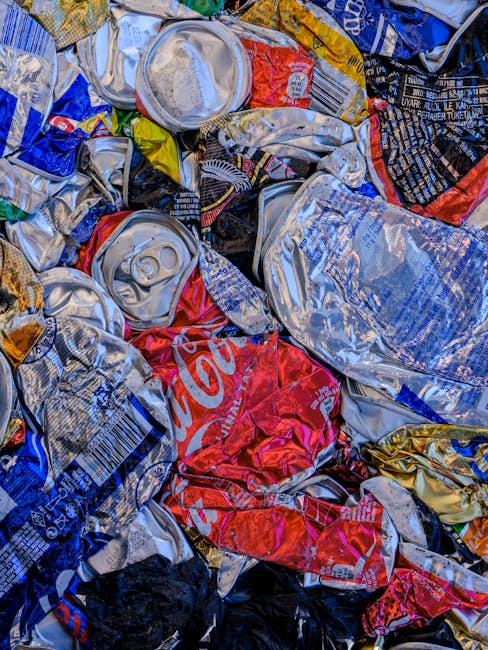
Disposing Waste After a Hook Move: Hampshire recycling rules
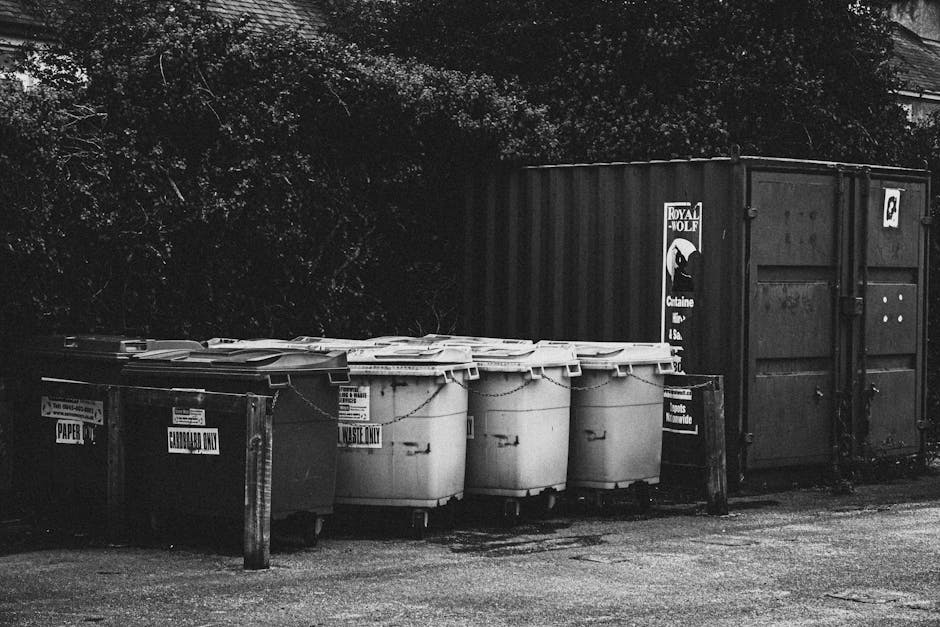
After a house move, the last thing most people want is a pile of broken boxes, bubble wrap, old curtains, random screws, and the bits of furniture that somehow never made it into the van. Yet that tidy-up phase matters just as much as the move itself. If you're dealing with disposing waste after a hook move in Hampshire, the recycling rules can save you money, reduce hassle, and keep you on the right side of local expectations.
This guide breaks the process down in plain English. We will look at what can be recycled, what should be separated as general waste, how to handle bulky items, and where removal-related waste often gets people into trouble. It is practical, local, and written for the real-world mess that usually comes after moving day - not the neat version everyone likes to imagine.
To keep things simple, think of this as your post-move cleanup playbook. A few sensible decisions now can stop a lot of unnecessary trips, fees, and frustration later. And yes, it is usually more than just "put it all in black bags and hope for the best".
- Why the rules matter
- How the process works
- Benefits of sorting waste properly
- Who needs this guidance
- Step-by-step disposal process
- Expert tips for cleaner results
- Common mistakes to avoid
- Useful tools and recommendations
- Compliance and best practice
- Options and comparison
- Real-world example
- Checklist
- Conclusion
- Frequently asked questions
Why Disposing Waste After a Hook Move: Hampshire recycling rules Matters
Moving waste is not just "rubbish". It can include cardboard, soft plastics, damaged homeware, old office fittings, packaging, garden clippings, surplus paint tins, broken appliances, and awkward items that need special handling. In Hampshire, as in the rest of the UK, the basic principle is simple: separate recyclables, keep hazardous items apart, and use the right disposal route for the right material.
Why does this matter so much after a move? Because moving generates mixed waste quickly. A room can go from full to empty in a morning, and by lunchtime you have a confusing heap of packaging and unwanted bits. If you treat it all as general waste, you risk wasting recycling opportunities and possibly sending items to the wrong place. That can be expensive, and to be fair, it is usually avoidable.
There is also a reputational side if the move is commercial. Businesses clearing an office or shop in Hampshire need to show sensible waste handling, especially if old desks, IT equipment, signage, or archives are involved. A good clearance process is not just tidy; it is professional.
For many people, the biggest issue is timing. After a move, waste builds up fast and the new property needs to be ready. The house still smells faintly of dust and cardboard, the kettle is nowhere to be found, and nobody wants to stand over a pile of flattened boxes making judgments about mixed plastics. That is exactly when a simple rule set helps.
How Disposing Waste After a Hook Move: Hampshire recycling rules Works
The process is usually straightforward once you break it into categories. Hampshire households and businesses generally need to think in terms of recycling streams, residual waste, reuse, and specialist disposal. The local details can vary by council and by site, but the logic is consistent.
Start by asking one question for every item: can it be reused, recycled, or does it need special disposal? That single question clears up more confusion than you might expect.
Here is the typical flow after a move:
- Sort the items into cardboard, paper, soft plastics, rigid plastics, metal, glass, textiles, electronics, and general waste.
- Identify bulky items such as beds, wardrobes, broken chairs, mattresses, and white goods.
- Check for special waste like paint, batteries, fluorescent tubes, chemicals, gas canisters, and anything oily or hazardous.
- Decide the route: reuse, donation, household recycling centre, council collection, or professional removal.
- Pack waste safely so sharp edges, leaks, and heavy items do not cause injury or damage in transit.
A lot of waste after a move is actually clean enough to recycle. Cardboard boxes are the obvious one. So are many plastic wrapping materials, though not all plastics are accepted everywhere. Broken household items can be trickier because mixed materials make recycling harder. A wooden table with metal legs, for example, may need dismantling before it can be processed efficiently. A little effort goes a long way.
If you are using a removal service, it helps to separate "move items" from "post-move waste" before the lorry or man and van leaves. Otherwise, you can end up paying to transport rubbish twice, which is nobody's favourite surprise.
For customers who want to understand the wider service side of moving and clearance, removal services and recycling and sustainability are useful places to start thinking about the journey before and after the move itself.
Key Benefits and Practical Advantages
Sorting waste properly after a move sounds small, but it solves several problems at once.
- Lower disposal costs because recyclable material is kept separate from general waste.
- Less clutter in the new property, which makes unpacking feel much less chaotic.
- Better environmental outcomes because reusable and recyclable items are diverted away from landfill where possible.
- Safer handling of sharp, heavy, or awkward materials.
- Smoother collection or drop-off when waste is already sorted and clearly labelled.
- Better compliance for business moves, landlord handbacks, and office clearances.
There is also a practical emotional benefit that people underestimate. A move already leaves you mentally stretched. You are finding chargers in odd boxes, wondering where the recycling bags disappeared to, and trying to remember whether the corkscrew is in "Kitchen 2" or "Misc". Reducing waste properly gives you one less thing to think about.
If you are arranging a bigger move, a service like home moves or office removals can be a better fit when you want the removal stage and the cleanup stage to be coordinated, not handled as two separate headaches.
Who This Is For and When It Makes Sense
This guide is useful for a few different people, and the needs are slightly different in each case.
Home movers often have packaging, old furniture, damaged household items, and garden waste left over after the keys are handed over. If you are moving out of a flat in a Hampshire town and the bin area is tight, sorting waste early matters even more.
Families usually face bulkier mixed waste: kids' furniture, broken storage units, old toys, and packaging from flat-pack purchases that arrived just as the move got underway. Not ideal, but very common.
Landlords and letting agents need a clean, sensible handover after tenants leave. Waste left behind can delay re-letting and create an awkward final inspection.
Businesses often need to dispose of office waste, packaging, desks, chairs, IT items, and archive material after relocation. In this context, disposal is part of the operational move, not an afterthought.
People clearing inherited property or storage also benefit from a structured approach. You may find everything from old magazines to broken white goods. It can be a bit of a time capsule, frankly, and not always a pleasant one.
It makes sense whenever you are left with more waste than your normal weekly collection can handle. That is the rule of thumb. If you are standing in a room thinking, "this is definitely beyond the bin," then yes, you probably need a proper plan.
Step-by-Step Guidance
Here is a practical, no-nonsense way to deal with post-move waste in Hampshire.
1. Clear the space and create sorting zones
Before you start bagging things up, make small zones for cardboard, plastics, mixed rubbish, textiles, metals, and special waste. Even a hallway can work if you keep it tidy. A few labelled boxes or sacks make the whole thing less chaotic.
2. Remove reusable items first
If something is still usable, do not rush to throw it away. A side table, a lamp, a box of books, or even spare storage boxes may still have value. Reuse is always better than disposal where practical.
3. Flatten cardboard and clean dry recyclables
Cardboard should be broken down, dry, and free from heavy tape or food residue where possible. Wet cardboard is a nuisance to recycle and tends to clog up a neat system. Nobody enjoys wrestling soggy boxes after a move. Nobody.
4. Separate soft plastics from rigid materials
Bubble wrap, pallet wrap, and protective film are not the same as hard plastic trays or containers. They may need different handling depending on the local facility or collection rules. If in doubt, keep them separate until you can check the accepted material type.
5. Set aside hazardous or specialist waste
Paint, solvents, cleaning chemicals, batteries, broken electronics, and fluorescent lighting should never be mixed casually with general waste. Keep them apart and treat them carefully. If a tin is half-full of old gloss paint, that is a clue you need specialist handling, not optimism.
6. Decide whether bulky items need collection
Large furniture, mattresses, and appliances usually require a dedicated bulky collection, a recycling centre drop-off, or a removal specialist. If you are already arranging furniture pick up, ask in advance whether the provider will separate reusable items from waste and how they handle recyclable materials.
7. Load safely and label clearly
When using a van or truck, put heavy items low, sharp items wrapped, and liquids sealed upright. Label anything that needs careful handling. It sounds obvious, but on moving day obvious things are the first to get forgotten.
8. Make the final check
Walk through the property once more before leaving. Cupboards, loft spaces, under the stairs, behind the washing machine - that is where stray waste tends to hide. Then decide whether you are done or whether there is one last pile to sort.
Expert Tips for Better Results
In our experience, the best waste disposal after a move is calm, early, and divided into stages. Trying to do everything at the end of the day, after lifting furniture and arguing with a tape dispenser, is usually when mistakes happen.
Start sorting before the final moving day. If you can pre-sort packaging and old belongings the week before, you will reduce pressure immediately. Even 20 minutes in the evening helps.
Keep a "maybe" box. This is for items you are not ready to decide on. It stops indecision from slowing the whole process. Revisit it later, when you are less tired and less emotionally attached to a chipped plant pot.
Ask about disposal when booking removal help. If you are using man with van removal or removals, check whether unwanted items can be separated from items being moved. That small question can save a lot of backtracking.
Keep evidence for special disposal. For business moves especially, retain records of where waste went and who handled it. Good paperwork is dull, yes, but it protects you if anyone later asks what happened to the old equipment.
Think in terms of volume, not just item count. Ten cardboard boxes are not the same as ten cardboard boxes plus a wardrobe and a broken freezer. The physical bulk changes the disposal route.
Protect floors and stairwells. Wet rubbish, dusty cardboard, and dirty old storage items can mark a property very quickly. A few sheets down can save an awkward clean-up later.
Practical takeaway: if waste is sorted before it leaves the property, the rest of the job usually becomes cheaper, safer, and far less stressful. That is the sweet spot.
Common Mistakes to Avoid
Most waste-disposal problems after a move come from a handful of familiar mistakes.
- Mixing recyclable and general waste in one black bag, which makes recovery harder.
- Leaving cardboard damp or stored outside where rain gets to it.
- Assuming all plastics are the same when they are not.
- Throwing away reusable furniture too early instead of considering reuse or donation.
- Putting hazardous items in with domestic rubbish because they seem small enough to ignore.
- Forgetting the loft, shed, garage, or under-stair cupboard, where extra waste often hides.
- Not checking council rules or site rules before taking a load to a recycling facility.
- Overfilling the van so waste becomes unsafe to transport.
A smaller but common mistake is emotional disposal. You know the one: everything that feels annoying becomes "rubbish" at 8 p.m. after a long day. Truth be told, that is how useful items end up in the wrong stream. Sleep on it if you need to.
Tools, Resources and Recommendations
You do not need fancy equipment to manage post-move waste well. A few simple tools are enough.
- Heavy-duty sacks for mixed non-recyclable waste.
- Labels or marker pens for sorting boxes and bags.
- Box cutters and gloves for flattening cardboard safely.
- Dust sheets or tarps to keep floors clean during loading.
- Reusable crates if you want to avoid creating more cardboard waste in the first place.
- Straps or bungee cords for securing loads in a van.
If you are planning a move and want the transport side handled efficiently, moving van and removal van options are often the most practical for compact household moves with some waste to clear at the end. For bigger jobs, moving truck or removal truck hire may be more appropriate.
For those who want a broader view of how the company handles sustainability and responsible disposal, the recycling and sustainability page is a useful companion. If you are weighing up cost and scope, pricing and quotes can help you think about the right level of service before you book.
Law, Compliance, Standards, or Best Practice
Waste disposal in Hampshire sits within wider UK waste rules and local council collection arrangements. Rather than treating every move as identical, it is better to work with a few solid principles:
- Waste should be separated where reasonable so recyclable material is not contaminated.
- Hazardous items need special care and should not be mixed with everyday rubbish.
- Businesses have stronger responsibilities around storage, transport, and proof of correct disposal.
- Fly-tipping is never worth the risk, even if the waste feels like "just a few bags".
If you are a business or landlord, keep records of waste transfer where appropriate and make sure any third party you use is competent and reputable. For householders, the best practice is simpler: use approved collection methods, follow local recycling guidance, and do not leave items where they can become a nuisance or safety issue.
There is no need to overcomplicate it. But there is a need to be sensible. That is the line, really.
Where a removal company is involved, ask how they separate reusable goods from recycling and residual waste. If they are serious about safe handling, they should be comfortable explaining it. Pages such as insurance and safety and health and safety policy are also useful trust signals when you want to know how a provider approaches the job.
Options, Methods, or Comparison Table
Different waste types need different routes. This simple comparison should help you decide what makes sense after a hook move in Hampshire.
| Waste type | Best route | Typical note |
|---|---|---|
| Cardboard boxes | Household recycling | Flatten, keep dry, remove excess tape if possible |
| Soft wrapping plastics | Plastic recycling where accepted | Keep clean and separate from food waste |
| Broken furniture | Reuse, bulky collection, or specialist disposal | Disassemble where practical |
| Mattresses | Bulky waste or specialist collection | Do not leave out hoping someone will take it |
| Electrical items | WEEE-style collection or approved drop-off | Remove batteries where safe to do so |
| Paint, chemicals, solvents | Specialist hazardous route | Never mix with domestic waste |
| Textiles and clothing | Reuse, charity, or textile recycling | Check condition first |
| Mixed general rubbish | Residual waste | Only after recyclables have been removed |
If you are comparing service styles, man with van can be a flexible choice for smaller clearances, while removal company is often more suitable for larger, more structured moves. For business premises, commercial moves and office relocation services are the right context when waste, relocation, and equipment handling are all happening together.
Case Study or Real-World Example
Picture a typical Friday move in Hampshire. A family leaves a three-bed semi and ends up with twelve flattened boxes, three bags of protective wrap, an old wardrobe door that cracked during dismantling, a box of kitchen items they no longer want, and two broken lamps that have been sitting in a loft for years. Nothing dramatic. Just normal life, really.
Instead of binning everything together, they sort it into four groups:
- cardboard and paper for recycling
- clean plastic wrapping kept separate
- usable kitchenware boxed for donation
- broken and awkward items for bulky or specialist disposal
They also keep batteries and an old smoke alarm aside because they know those should not be thrown in with normal waste. The result is a cleaner van load, fewer trips, and far less rubbish sitting around the new house on Saturday morning when they'd rather be putting the kettle on and finding the mugs.
The same logic works for office moves too. A small business clearing desks, filing cabinets, packaging, and old printers can save time by separating electronic waste from furniture and paper from mixed rubbish. It is not glamorous, but it works.
Practical Checklist
Use this checklist before you finish the post-move clear-up.
- Have I separated cardboard, plastics, metals, glass, and textiles?
- Have I set aside hazardous or specialist waste safely?
- Have I checked whether any items can be reused or donated?
- Have I flattened cardboard and bagged waste securely?
- Have I looked in cupboards, lofts, sheds, garages, and under beds?
- Have I matched bulky items to the right disposal route?
- Have I avoided mixing recyclables with general waste?
- Have I protected floors and walls during loading?
- Have I confirmed whether my chosen provider can handle disposal or only transport?
- Have I kept any paperwork I may need for business or landlord records?
Quick reminder: a tidy waste plan at the end of a move usually makes the whole house feel settled faster. That little reset matters more than people think.
Conclusion
Disposing waste after a hook move in Hampshire does not need to be complicated, but it does need a bit of thought. Once you separate recyclables, spot the special items, and choose the right route for bulky or awkward waste, the process becomes much easier to manage. It also saves space, reduces stress, and supports a more responsible move overall.
The main thing is not to rush the sorting stage. A few extra minutes at the end of moving day can prevent a lot of mess later. And if you are coordinating the move itself, using a service that understands clear handling, safe loading, and responsible disposal can make all the difference. The work feels lighter when the plan is clear.
Get a free quote today and see how much you can save.
When the boxes are gone and the room finally feels like yours again, that quiet sense of order is worth the effort. Small steps, done properly, really do add up.
Frequently Asked Questions
What should I do with cardboard boxes after a move in Hampshire?
Flatten them, keep them dry, and place them in the appropriate recycling stream if they are clean and accepted locally. If they are heavily taped or contaminated, sort them separately first.
Can I put moving waste in my normal household bin?
Only small amounts of general waste should go into a normal bin. Large quantities of moving rubbish, bulky items, or recyclable material should usually be separated and handled through the proper route.
Are bubble wrap and plastic film recyclable?
Sometimes, but not always through the same collection as rigid plastics. Keep soft plastics separate and check the accepted material type before disposal. It is one of those details that catches people out.
What counts as bulky waste after a house move?
Items like wardrobes, mattresses, sofas, beds, large tables, and appliances are usually considered bulky. They often need a dedicated collection or approved drop-off.
Can a removal company take away unwanted rubbish too?
Some can, but not all. It depends on the service and the provider's policies. Always ask in advance whether they handle disposal, transport only, or both.
How should I dispose of old paint tins after moving?
Paint and similar chemicals should be treated as specialist waste. Do not mix them with everyday rubbish. Keep lids secure and handle them carefully until you can use the correct disposal route.
Do I need to sort waste differently for an office move?
Yes, usually. Office waste often includes electronics, confidential paper, furniture, and packaging, so the disposal plan should be more structured. Business records and duty-of-care considerations matter more too.
What is the easiest way to reduce waste during a move?
Reuse boxes where possible, declutter before packing, and separate recyclable materials as you unpack. That way you are not creating one giant mixed pile at the end.
Should I keep records of waste disposal?
If you are moving a business or dealing with a landlord handover, yes. For domestic moves, records are less formal, but keeping receipts or collection notes can still be helpful.
What if I have a few items I am not sure about?
Set them aside in a "maybe" box and deal with them after the main clear-out. A short pause often makes decisions easier, and it stops good items being thrown away by mistake.
Is it worth booking a van just for waste removal after a move?
If you have bulky items, mixed waste, or a lot of packaging, yes it can be worth it. Smaller loads may suit a man and van removals approach, while larger jobs often need a broader removal services solution.
How do I know if a provider is safe and trustworthy?
Look for clear information about safety, insurance, pricing, and policies. Pages like about us and terms and conditions are a sensible place to understand how a company works before you book.