Health and Safety Policy for Man With Van Hook
 This Health and Safety Policy sets out how Man With Van Hook maintains safe working practices for removals, transport, lifting, loading, and unloading activities. Our approach is built around preventing harm, reducing risk, and promoting a culture where every task is carried out with care. We expect all staff, drivers, and helpers to follow safe systems of work, use equipment correctly, and take personal responsibility for their own safety and the safety of others.
The company recognises that moving goods involves physical effort, time pressure, and changing environments. For that reason, our man and van services are planned to reduce avoidable hazards before work begins. Each job is assessed for common risks such as heavy lifting, blocked access, unstable items, slippery surfaces, poor lighting, and vehicle movement. Where necessary, work is adjusted so that safe practice remains the priority over speed.
Every member of the team is expected to comply with this policy and report any concern immediately. This includes damaged equipment, unsafe property conditions, unsuitable loads, or signs of fatigue. By encouraging early reporting, man with van Hook can take action before an incident occurs and maintain a safer working environment for all involved.
The company will provide suitable training and supervision so that personnel understand correct lifting methods, manual handling limits, load securing, vehicle checks, and basic emergency response. New workers are inducted before carrying out tasks independently, and ongoing refresher sessions support safe working habits. A clear standard of competence helps ensure that every man and van removal is completed with the same commitment to health and safety.
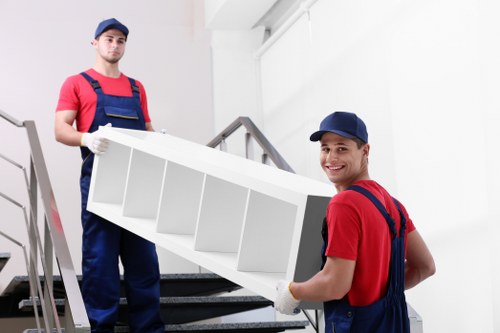
Safe handling of items is central to our operations. Staff are instructed to assess weight, shape, size, and fragility before lifting anything. Large or awkward objects should be moved by two or more people when required, and mechanical aids should be used where appropriate. Loads are arranged inside the vehicle to prevent shifting during transit, with attention given to balance, restraint, and protection from damage.
Protective equipment is supplied and used whenever the task calls for it. This may include gloves, high-visibility clothing, safety footwear, and other items suited to the job. The company also expects staff to keep work areas tidy, remove packaging debris, and avoid creating trip hazards. These simple steps support the safety of both workers and property owners during man with van removals.
 Vehicle safety is managed through routine checks and proper maintenance. Before leaving for a job, drivers inspect tyres, lights, mirrors, fuel levels, load security, and any warning indicators. Any defect that could affect safe operation must be reported and addressed without delay. Vehicles are kept in roadworthy condition to support reliable and safe man with van service delivery.
Traffic awareness is also important. Drivers must observe speed limits, plan routes responsibly, and allow sufficient time for parking and access. Sudden manoeuvres, poor reversing practices, and distractions are avoided. When loading or unloading on public roads or shared spaces, team members remain alert to pedestrians, cyclists, and other vehicles. Where needed, one person may act as a spotter to guide movement safely.
Workplace conditions can vary from one property to another, so staff are trained to adapt without compromising safety. Narrow stairways, uneven paving, wet surfaces, and restricted entrances require extra caution. If a situation appears unsafe, the task may be paused until risks are controlled. The aim of Man With Van Hook is to complete each move efficiently while maintaining a practical and responsible safety standard.
 Fatigue management is another key part of the policy. Moving work can be physically demanding, especially during long shifts or repeated lifting tasks. Staff are encouraged to take breaks, stay hydrated, and speak up if they feel unwell or unable to continue safely. A safe man and van operation depends on workers remaining fit for duty and not pushing themselves beyond sensible limits.
Emergency procedures are communicated to all personnel so that accidents can be handled quickly and calmly. In the event of injury, fire, traffic incident, or property damage, the immediate priority is to make the area safe and seek assistance as required. First aid arrangements, incident recording, and management review help the business learn from events and improve future practice.
Customers and third parties are also included in our safety approach. We expect clear communication before and during a job so that access routes, fragile items, parking arrangements, and special concerns can be understood in advance. Respectful coordination reduces confusion and supports smooth working. This is particularly important in man with van Hook removals, where the same space may be shared by residents, neighbours, and delivery traffic.
Risk assessment is carried out as a routine part of planning. The assessment considers the nature of the goods, the site conditions, the number of people needed, and any foreseeable hazards. Control measures may include team lifting, using trolleys, separating heavy items, or delaying work if weather or access conditions are unsuitable. This process helps keep each man with van job controlled and safe from start to finish.
The company also expects proper housekeeping at every location. Spills should be addressed promptly, wrapping materials must not be left in walking routes, and tools should be stored securely when not in use. Good housekeeping lowers the chance of slips, trips, and falls, which are among the most common avoidable incidents in moving work. Simple discipline supports a safer outcome for everyone on site.
Health and safety responsibilities are shared. Management must provide the resources, training, and supervision needed to work safely, while workers must follow instructions, use equipment correctly, and report concerns. This policy is reviewed regularly to ensure it remains effective and reflects the way man and van Hook services are delivered. Continuous improvement is part of our commitment to safe and dependable operations.
 No task is so urgent that it justifies unsafe behaviour. If conditions change or a hazard cannot be adequately controlled, the work should stop until it is safe to continue. This principle applies to every aspect of man with van removals Hook, from the first lift to the final delivery. Safety is treated as a core part of service quality, not an optional extra.
By following this policy, Man With Van Hook protects its team, its customers, and the public while delivering reliable moving services. The company values careful planning, clear communication, and consistent safe practice. These standards help ensure that each move is completed with professionalism, attention to detail, and respect for everyone involved.
 Policy commitment: all employees and contractors working on behalf of the company must uphold the principles set out above. Through training, supervision, monitoring, and everyday accountability, man and van services Hook can be carried out safely, responsibly, and with confidence in the working methods used.