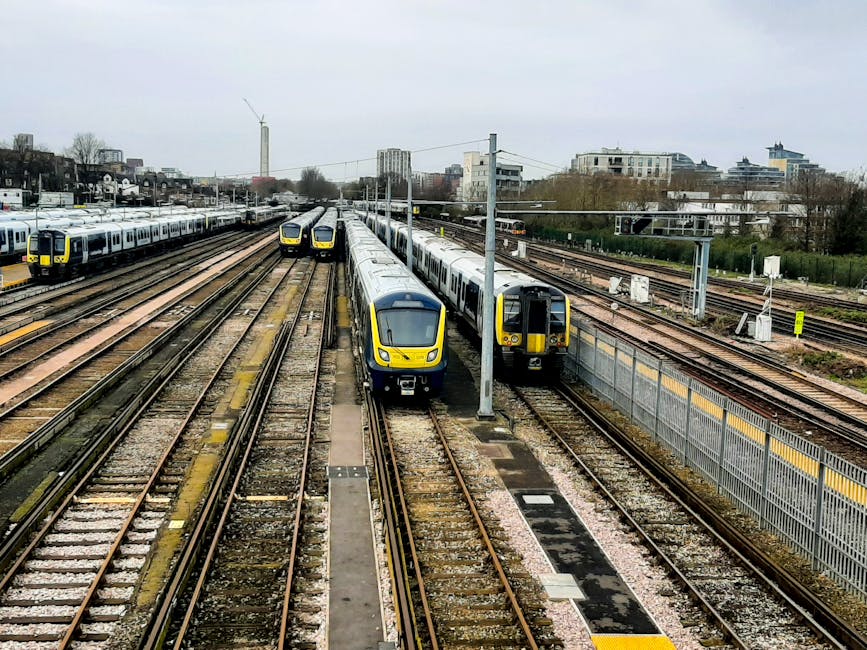
Transporting Furniture from Hook Railway Station Area: A Practical Local Guide
If you are arranging Transporting Furniture from Hook Railway Station Area, you are probably juggling a few moving parts at once: narrow doorways, awkward items, a timetable that does not want to wait, and maybe a bit of weather for good measure. Whether you are moving a sofa from a flat near the station, shifting a bed into storage, or taking office furniture across Hook, the job is rarely as simple as "load and go".
This guide breaks the process down in a way that is actually useful. You will find a clear step-by-step approach, practical packing and lifting advice, a comparison of transport options, and a realistic look at safety, timing, and local logistics. If you want a smoother move and fewer surprises on the day, you are in the right place.
For readers planning a broader move, it can also help to review the wider range of removal services available in Hook and, if you need furniture-specific support, the dedicated furniture removals service in Hook.
Why Transporting Furniture from Hook Railway Station Area Matters
The area around a railway station has its own rhythm. There may be tighter parking, short loading windows, commuters passing through, and the usual mix of flats, terraces, and small access roads. That matters more than people think. A wardrobe can be perfectly manageable in a large driveway, then suddenly awkward when you are working a few metres from the station with limited stopping space.
Furniture transport is not only about strength. It is about route planning, protection, timing, and protecting both your belongings and the property you are moving from. A scratch on a door frame or a strained back can turn a straightforward job into a frustrating one very quickly. To be fair, most issues are preventable with a bit of preparation.
There is also the local convenience factor. If your move is within Hook or nearby, a properly planned collection can save time, reduce handling, and make the whole experience calmer. That is especially relevant for people moving between rentals, students relocating, or families shifting a few bulky items instead of a full house.
For anyone dealing with a packed home, it often helps to declutter first. A focused read on decluttering before a move can make the load smaller and the day less chaotic.
How Transporting Furniture from Hook Railway Station Area Works
At a practical level, the process is simple: assess the items, plan the route, prepare the furniture, load it safely, and deliver it with care. The detail is where things get interesting. The best furniture transport starts before the van arrives, not when the tail lift goes down.
First, identify what is being moved. A dining table, a king-size mattress, and a bookcase each need different handling. Then check access at both ends. Are there stairs? Tight corners? A low archway? A busy street where the van may need to double park briefly? These are the sorts of things that shape the job.
Next comes protection. Good movers usually use blankets, straps, shrink wrap, corner guards, and tie-down points. This is not overkill. It is how you stop upholstered items rubbing, drawers sliding open, or table legs taking a knock on the way out.
Finally, the furniture is loaded in a logical order. Heavier and sturdier pieces go first, lighter or more fragile items are secured after, and everything is strapped so it does not shift mid-journey. It sounds basic, but the difference between "just about fine" and "properly done" is usually in those small habits.
If you want more detail on loading safety and body mechanics, this guide to lifting technique is worth a read. It explains why the right movement matters more than muscling through.
Key Benefits and Practical Advantages
There are a few strong reasons people choose a dedicated furniture transport service rather than trying to do everything themselves. None of them are flashy. They are just the sort of practical benefits you notice on the day.
- Less risk of damage to furniture, walls, floors, and door frames.
- Better handling of awkward items such as sofas, wardrobes, beds, and solid wood pieces.
- More efficient use of time because loading and unloading are planned properly.
- Lower physical strain for you and anyone helping out.
- More flexibility if you only need a few items moved rather than a full removals job.
There is also a quiet but important benefit: peace of mind. When a mover knows how to handle a fragile leg, a heavy chest of drawers, or an item that barely fits through a hallway, you stop worrying about the "what ifs".
And lets face it, moving furniture is rarely the fun part of a move. Anything that reduces stress is doing real work.
Who This Is For and When It Makes Sense
This service is not just for people moving house. It suits a surprisingly wide range of situations around Hook Railway Station and beyond.
Typical situations include:
- Tenants moving in or out of flats close to the station
- Students needing a short-notice move or a single-item collection
- Households moving bulky pieces between addresses
- People buying or selling second-hand furniture locally
- Office teams relocating desks, chairs, or storage units
- Households placing items into storage between moves
It also makes sense when the item is valuable, heavy, or simply awkward. A piano, for example, should not be treated like an ordinary cabinet. Similarly, a high-end sofa or a large wardrobe often needs more than a pair of willing hands and a car that is "probably big enough".
For specialist items, it is sensible to look at professional support such as piano moving guidance or, where relevant, a dedicated piano removals service. A bit of caution there saves a lot of bother later.
Step-by-Step Guidance
If you want a smooth furniture move from the station area, use a methodical approach. It sounds obvious, but a lot of rushed problems start with a missing box of screws or a sofa that was never measured properly.
- List every item you want moved. Note dimensions, weight if known, and whether it comes apart.
- Measure access points at both properties. Include doorways, stair turns, lifts, corridors, and parking space for the van.
- Decide what needs dismantling. Beds, tables, and some wardrobes often move better in pieces.
- Prepare packing materials. Use blankets, tape, stretch wrap, labels, and sturdy boxes where needed. The team at packing and boxes in Hook can help if you need supplies.
- Protect each item. Wrap corners, secure loose doors, and remove shelves or fragile parts.
- Clear the route. Move rugs, bins, ornaments, and anything that could cause a trip or snag.
- Load in order. Put the heaviest items in first and secure them with straps.
- Check off items at delivery. Make sure everything arrives in the expected condition.
A small but useful detail: keep screws, bolts, and brackets in labelled bags taped to the relevant furniture. It saves a surprising amount of swearing later. One tiny zip bag can save half an hour.
If you are packing more than a couple of items, a quick refresher on professional packing tips can make the whole process tidier and safer.
Expert Tips for Better Results
A few experienced habits make a big difference when transporting furniture from a station-area property. These are the little things that separate a decent move from a genuinely smooth one.
1. Plan around access, not just distance
The shortest route on a map is not always the easiest route with a sofa. A longer but wider path may be safer if it avoids stairs, tight corners, or awkward kerbs.
2. Protect upholstered items properly
Soft furnishings pick up dirt fast. If you are moving a sofa or armchair, wrap it so it stays clean and dry during the trip. A thoughtful read on sofa protection and storage care is useful even if you are not storing the item for long.
3. Use the right team size
Some pieces need two people; others need three. A chest of drawers may look manageable until you reach the stair turn and everyone realises it is, in fact, a bit of a beast. No shame in that.
4. Keep fragile items separate
Glass shelves, mirrors, lamps, and loose accessories should travel apart from heavier furniture. This reduces pressure and keeps the load calmer in transit.
5. Schedule with the weather in mind
A dry morning is ideal. Wet paths and damp fabric are not great companions. In a British winter, that bit of planning matters more than people admit.
6. Use storage if the timing does not line up
If your new home is not ready yet, short-term storage can prevent a rushed, risky move. Storage in Hook is often the cleaner option when completion dates shift or rooms need clearing before works begin.
Common Mistakes to Avoid
Most furniture moving problems are predictable. That is the good news. The less good news is that they are also very easy to repeat if you are trying to save time.
- Not measuring the route and assuming items will fit.
- Leaving furniture assembled when dismantling would make it far safer.
- Using weak or random packing materials that do not hold weight properly.
- Forgetting to secure doors and drawers, which can swing open during transit.
- Trying to lift heavy items alone because "it will only be a minute". That line causes trouble.
- Ignoring parking and loading restrictions near the station area.
- Not checking item condition before and after the move.
A particularly common slip is underestimating how slippery a piece becomes when it is covered in plastic or wrapped in a blanket. Grip changes. Balance changes too. If an item feels awkward, stop and reset rather than forcing it.
For solo movers, this is where a reality check helps. This guide on lifting heavy objects safely on your own is a good reminder that confidence should always sit beside caution.
Tools, Resources and Recommendations
You do not need a warehouse full of gear to move furniture well, but the right basic kit makes the job much cleaner.
| Tool or resource | Why it helps | Best used for |
|---|---|---|
| Furniture blankets | Protects surfaces from scratches and knocks | Sofas, wood furniture, appliances |
| Stretch wrap | Keeps drawers and loose parts secure | Cabinets, chairs, small items |
| Removal straps | Improves control while lifting and loading | Heavy or bulky furniture |
| Protective corner guards | Reduces impact damage | Tables, frames, shelving |
| Labels and marker pens | Makes reassembly easier | All dismantled items |
| Trolley or dolly | Reduces strain and speeds up movement | Boxes, cabinets, heavier pieces |
Where possible, choose a van that suits the job instead of squeezing everything into the wrong size vehicle. A proper removal van in Hook gives you more control over loading, tie-down points, and the space needed for awkward pieces.
If you want a broader view of how different moving services fit together, the man and van service and man with a van option can be helpful for smaller or more flexible jobs, while larger homes may need house removals support instead.
Law, Compliance, Standards, or Best Practice
Furniture transport is not a heavily regulated activity for the customer, but there are still sensible standards and responsibilities to keep in mind. Good movers should work safely, drive legally, and handle goods with care. You should expect sensible loading practices, appropriate insurance, and a clear explanation of what is and is not included.
From a practical standpoint, public safety matters too. Station-area loading should not block pavements, create hazards, or ignore parking restrictions. If you are arranging the move yourself, take local access rules seriously and avoid assuming a van can stop anywhere "just for five minutes". That five minutes has a habit of turning into a fine or a complaint.
It is also worth checking service terms, payment arrangements, and safety policies before booking. Reliable operators usually make these easy to find, including insurance and safety information, health and safety guidance, and clear terms and conditions. If you are comparing providers, that transparency is a good sign.
For practical reassurance on booking and trust, it can also help to review payment and security details and the company's about us page. People often skip those pages, then wish they had not.
Options, Methods, or Comparison Table
The right approach depends on how many items you have, how far they need to go, and how awkward the access is. Here is a straightforward comparison.
| Method | Best for | Pros | Trade-offs |
|---|---|---|---|
| DIY with a hired van | Small moves, experienced helpers, easy access | Lower cost, flexible timing | Higher physical effort, more risk if packing is weak |
| Man and van service | Single items, student moves, light-to-medium furniture | Practical, quick, usually good value | May not suit very large or fragile loads |
| Dedicated furniture removals | Bulky, valuable, or awkward furniture | More protection, better handling, less stress | Usually costs more than a simple van hire |
| Storage-first approach | Delayed moves, renovations, chain gaps | Reduces pressure and avoids rushed decisions | Requires planning and temporary extra handling |
If your move is urgent, a same-day option may be the most realistic choice. There is a useful overview of same-day removals in the area for those "we need this sorted today" situations. Not ideal, perhaps, but sometimes life does not ask permission.
Case Study or Real-World Example
Imagine a small two-bedroom flat near Hook Railway Station. The move includes a three-seater sofa, a bed frame, a mattress, a dining table, six chairs, and a chest of drawers. Nothing outrageous. But the stairwell is narrow, the parking space is limited, and the sofa has one side that catches slightly on a hallway corner.
A rushed DIY attempt might start with optimism and end with a scratched wall, a strained shoulder, and a sofa wobbling sideways through the doorway. A more careful approach looks different.
The furniture is measured first. The bed frame is dismantled. The sofa is wrapped and moved with blankets at the stress points. The chest of drawers is emptied so it is lighter and less likely to tip. The route from the flat to the van is cleared before anything is lifted. The load is then arranged so heavier pieces sit securely at the base and lighter pieces ride above or beside them, strapped in place.
The result? Less noise, less panic, fewer "oops" moments. The move may still be tiring, because moving furniture is moving furniture, but it is controlled. That is the part people usually remember afterward.
For station-adjacent moves specifically, a local guide such as moving out from Station Road in Hook can also give you a sense of local access patterns and the kind of planning that makes a difference.
Practical Checklist
Before moving day, run through this checklist. Simple enough, but very effective.
- Measure all furniture and access points
- Confirm the collection and delivery addresses
- Check parking or loading space near both properties
- Dismantle items that move better in parts
- Label screws, fittings, and loose components
- Wrap fragile edges and upholstered surfaces
- Empty drawers, shelves, and cupboards where needed
- Use blankets, straps, and suitable packing materials
- Confirm insurance and safety cover if using a service
- Keep phone numbers and arrival times handy
- Inspect items before they are loaded and after delivery
- Set aside a quick reassembly kit with tools and tape
If you are short on time, prioritise the first six items. They do the heavy lifting, so to speak.
Conclusion
Transporting furniture from the Hook Railway Station area is easiest when it is treated as a small project rather than a quick favour. Measure first, pack properly, choose the right transport method, and do not underestimate access issues around station-side streets and flats. That approach keeps your furniture safer, your day calmer, and your back much happier.
Whether you are moving one item or several, the best result usually comes from a mix of planning, sensible tools, and a little local know-how. If you want to protect valuable pieces, reduce stress, or simply avoid the usual moving-day chaos, a professional service can make a real difference.
Get a free quote today and see how much you can save.
And if you are still in the planning stage, a calm, well-measured move is rarely the wrong move. Slow enough to be careful. Fast enough to be practical. That balance is the sweet spot.
Frequently Asked Questions
What is the best way to move furniture from the Hook Railway Station area?
The best approach is to measure everything first, protect the furniture properly, and use a transport method that matches the size and weight of the items. For bulky or fragile pieces, professional help is usually the safest option.
Can I move a sofa or bed on my own?
Sometimes you can, but it depends on the item, the access route, and whether you have the right lifting aids. A bed frame may be manageable in parts, while a sofa often needs two people and proper protection.
How do I know if my furniture will fit through the door?
Measure the widest points of the item and compare them with door widths, hall turns, and stair landings. If there is any doubt, measure twice. The awkwardness usually appears at the corner, not the front door.
Is it better to dismantle furniture before transport?
Yes, for many items it is. Beds, tables, and some wardrobes are easier and safer to move when partially dismantled. Keep the fittings labelled and taped to the right piece so reassembly is less frustrating.
What should I use to protect furniture during a move?
Furniture blankets, stretch wrap, corner guards, and straps are the basics. They help prevent scratches, movement, and impact damage. Upholstered items should be kept clean and dry, especially in wet weather.
How much does furniture transport usually cost?
Costs vary depending on item size, distance, access, and whether you need extra handling or storage. The most reliable way to get a figure is to request a tailored quote based on the actual job.
Do I need insurance for furniture removals?
If you are using a professional service, it is sensible to check what cover is included and what conditions apply. For DIY moves, you should understand the risk yourself, because accidents do happen. Rather more often than people expect, honestly.
What if my new home is not ready yet?
Short-term storage can be a sensible bridge if completion dates shift or access is delayed. It stops you rushing the move and gives you breathing room to organise the next step properly.
Are there special rules for moving items near a railway station?
There may be local parking, loading, or access considerations, especially on busier streets. The main thing is to avoid blocking pavements or creating hazards. A bit of planning around timing makes life easier for everyone.
Can furniture transport be arranged at short notice?
In many cases, yes. Same-day or short-notice options can work well for urgent collections or simple moves, provided the service has availability and the access is straightforward.
What is the difference between man and van and full removals?
A man and van service is usually better for smaller moves, single items, or flexible transport needs. Full removals are better for larger homes, more furniture, and moves that need a stronger planning structure.
How do I choose a trustworthy moving company?
Look for clear service information, straightforward pricing, insurance details, and transparent policies. If a company explains how they handle safety, payment, and complaints, that is usually a good sign. Not perfect, but reassuring.
What if I also need to store furniture or move out a whole flat?
Then it is worth looking at linked services such as flat moves, storage, or full removals so the plan fits your situation rather than forcing everything into one solution. A good provider will help you match the service to the job.
Where can I learn more about local moving support in Hook?
Start with the main removals in Hook page, then explore related support such as removal services in Hook or local removal companies if you are comparing options.